vermontpublic.org · September 9, 2026
Vermont is changing its primitive camping rules for state lands | Vermont Public
# Vermont is changing its rules for primitive camping on state land
Vermont Public | By Abagael Giles
Published September 9, 2026 at 5:00 AM EDT
Gunnar Nurme / Vermont Department of Forests, Parks and Recreation
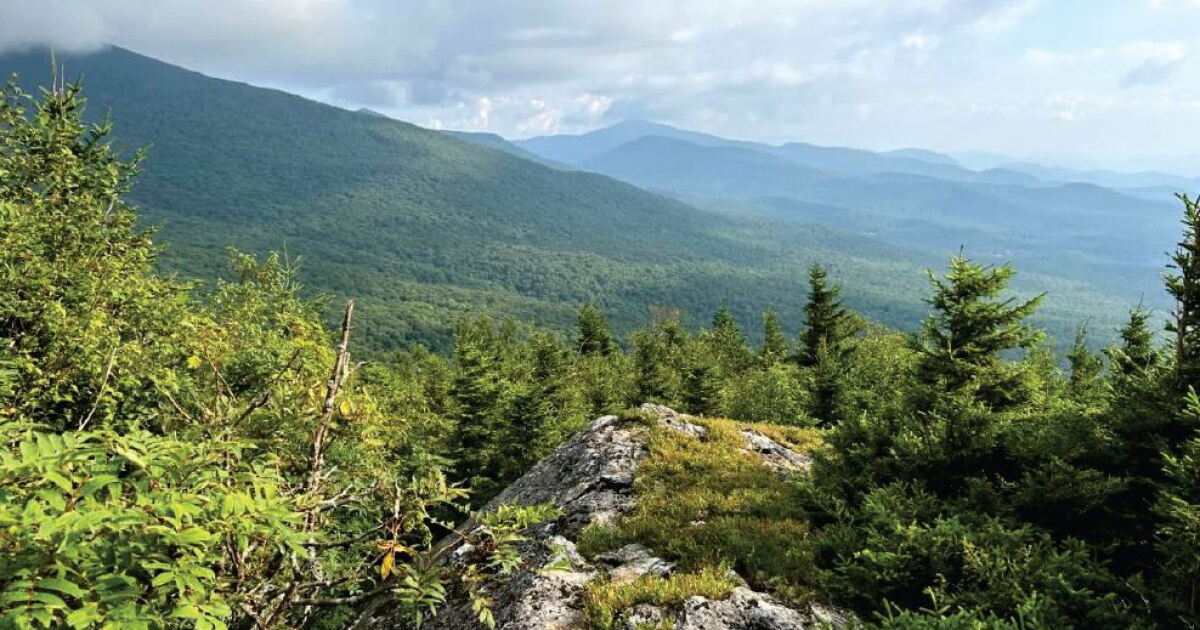
Sunset Knob is a rocky feature on Sunset Ridge, past where the hiking trail dips down into the trees and towards the parking lot at Underhill State Park. The state park is one of the more popular places for primitive camping in the state.
State land managers are proposing the first updates to Vermont’s regulations governing dispersed camping on state lands in more than 30 years, and they say climate change is a key reason.
The rules have to do with backcountry camping in places without human-made amenities — and in particular how people build campfires at these sites.
Vermont is seeing more wildfires, and humans are starting most of them, said Oliver Pierson, who leads the Division of Forests for Vermont Department of Forests, Parks and Recreation.
“The No. 1 cause of wildland fires in Vermont is fires that humans start that get out of control, and that's either campfires or people who are burning debris,” Pierson said. “It's not lightning, or cigarette butts. It's deliberately started fires that then spread out of control. So that's a real issue.”
State officials say the current regulations reflect a time when the conditions in the woods often looked different than they do today.
“The climate change piece is real,” Pierson said. “It’s these hotter, drier summers … warmer winters increasing the length of the fire season. Vermont’s been lucky to not have more than a hundred-acre fire, but it’s probably only a matter of time before we get a really big one.”
The old regulations don’t limit how big a campfire can be at one of these primitive campsites. Now, the state wants to restrict them to 2 feet across.
Under the changes, campers who want a fire would have to first build a fire ring made of stones and clear it of all combustible material like leaf litter and twigs. That stone circle would have to be fully disassembled after the campfire is thoroughly extinguished, before a camper leaves the site.
The new rules would also empower the commissioner of forests, parks and recreation to temporarily ban campfires when the fire danger is high.
The regulations were last updated in 1993, and since then, Pierson said Vermont has seen a general uptick in camping interest.
Primitive camping is free on state lands, and Pierson said it’s popular, especially with people who hunt. In recent years, land managers have seen more impact at sites in the Mt. Mansfield State Forest and Camel’s Hump area.
The proposed rules would require people to camp at least 200 feet away from water. This, said Mike DeBonis, who leads the Green Mountain Club, will bring Vermont’s regulations in line with national standards for backcountry etiquette and waste management.
“The idea of having policy aligned with best practices for sustainable hiking and camping makes total sense and is something that we support,” DeBonis said. “The ‘90s were a wonderful time, but the world has changed dramatically in that time, and camping’s changed.”
Under Vermont’s current regulations, it is illegal to stay at the same primitive site for more than three nights in a row. However, the rule doesn’t specify if or how that limit can be enforced.
In recent years, Pierson said FPR staff have received calls from trail users complaining that people posting up for long stays at campsites near popular trails were being territorial about their space.
Pierson said this puts staff in a bind, because they can’t issue tickets. The new rule would empower fish and game wardens to give trespassing notices to people who exceed the three-night limit at these backcountry sites.
Still, he said, wildfire risk is what really drove the department to reopen the rules.
This new approach brings Vermont a little closer to the standards set for backcountry fires in many western states, which have contended with wildfire risk for a long time and often require permits to start a fire.
“We want people to be able to enjoy campfires when they’re primitive camping in the backcountry,” Pierson said. “For many people, when you’re out camping in the woods, a fire is sort of an integral part of the experience.”
FPR is seeking feedback about the changes through Oct. 9. The department is hosting two public hearings about the rules this month, one on Tuesday, Sept. 22, from 5:30-7 p.m. at the Manchester Community Library and one on Thursday, Sept. 24, from 5:30-7 p.m. at the Waterbury Town Offices.